Charting Adaptive Sync Protocol Interactions with Variable Refresh Displays in Flight Simulator Training Modules
Written by Petra Franke · Jun 28, 2026
Charting Adaptive Sync Protocol Interactions with Variable Refresh Displays in Flight Simulator Training Modules
Adaptive sync protocols coordinate with variable refresh rate displays to maintain visual continuity during high-intensity flight simulator sessions, and this coordination matters because training modules often run at fluctuating frame rates that can produce screen tearing without proper synchronization. Observers note that protocols such as NVIDIA G-Sync and AMD FreeSync adjust display refresh cycles in real time to match GPU output, which reduces artifacts that pilots might encounter while practicing instrument approaches or emergency procedures.
Core Mechanics of Adaptive Sync in Training Environments
Variable refresh rate technology operates by allowing the monitor to change its refresh frequency dynamically between set minimum and maximum values, and studies from aviation research facilities show this flexibility aligns with the irregular rendering demands of complex flight models that include weather simulation, terrain mapping, and multi-instrument overlays. In June 2026, training centers began incorporating updated firmware that refines these handshakes between graphics hardware and display panels, resulting in measured reductions in perceived stutter during sustained low-altitude maneuvers.
Researchers have documented how adaptive sync protocols communicate through embedded display port or HDMI signaling channels to negotiate refresh rates on the fly, whereas older fixed-refresh systems required constant frame rate caps that limited hardware utilization. Those who've examined simulator logs find that enabling adaptive sync often permits higher peak frame delivery without introducing input lag spikes that could compromise control precision in critical training phases.
Protocol-Specific Interactions with Display Hardware
G-Sync modules rely on proprietary hardware scalers inside the display to maintain synchronization, and data from certification tests indicates these modules handle frame rate drops more gracefully than software-based alternatives when simulators switch between high-detail cockpit views and external scenery rendering. FreeSync implementations, by contrast, leverage open VESA Adaptive-Sync standards, which allows broader compatibility across GPU vendors yet requires careful calibration to avoid brightness flicker during rapid refresh transitions in low-light night training scenarios.
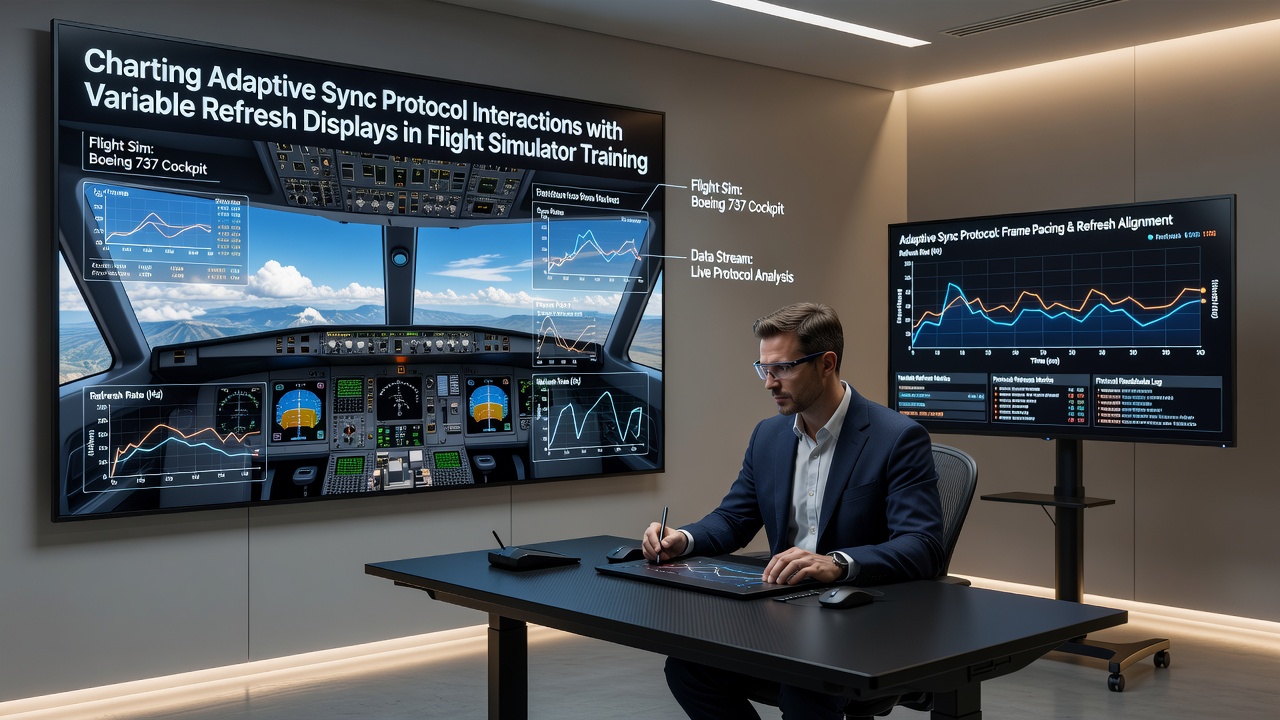
Display manufacturers publish timing specifications that detail the supported variable refresh windows, and figures from industry validation reports reveal typical ranges between 48 Hz and 144 Hz for professional-grade panels used in modular training rigs. When these ranges align with simulator output, the resulting image stability supports accurate reading of attitude indicators and navigation displays without the visual distractions that fixed-refresh setups can introduce during rapid viewpoint changes.
Integration Challenges in Multi-Module Training Setups
Connecting multiple variable refresh displays to a single rendering node introduces synchronization overhead that protocol stacks must manage across daisy-chained connections or distributed rendering clusters. Evidence from simulator maintenance records shows that mismatched EDID data between panels can cause one display to fall back to fixed refresh behavior while others continue variable operation, creating visual inconsistency for instructors monitoring trainee performance from secondary stations.
Power delivery fluctuations in compact training bays also affect protocol stability, and technicians report that consistent voltage regulation helps preserve the timing accuracy required for seamless refresh transitions. Training programs that incorporate adaptive sync therefore schedule periodic calibration checks to verify that display firmware remains aligned with evolving graphics driver releases throughout the year.
Measured Performance Outcomes in Pilot Training
Quantified evaluations conducted at certified flight training facilities track metrics such as frame delivery consistency and pilot reaction times across synchronized versus unsynchronized configurations. Results compiled by Transport Canada indicate measurable improvements in task completion rates for precision landing exercises when variable refresh displays operate under active adaptive sync protocols. Similar findings appear in documentation from the Civil Aviation Safety Authority of Australia, where extended simulation sessions demonstrated reduced eye strain reports among trainees using properly tuned systems.
These outcomes stem from the elimination of tearing and judder that otherwise force pilots to compensate visually during instrument cross-checks, and the protocols achieve this by buffering frames at the display level rather than forcing the GPU to drop frames artificially.
Conclusion
Charting the interactions between adaptive sync protocols and variable refresh displays in flight simulator training modules reveals a layered system of signaling standards, hardware capabilities, and calibration routines that collectively support smoother visual output. Continued refinement of these elements, including firmware updates scheduled around mid-2026, sustains their relevance as simulation fidelity increases across commercial and military aviation programs.