Decoding High-Speed Data Paths: Advanced Methods for Tracing PCIe 5.0 Interfaces
Written by Avery Lorenz · Aug 23, 2026
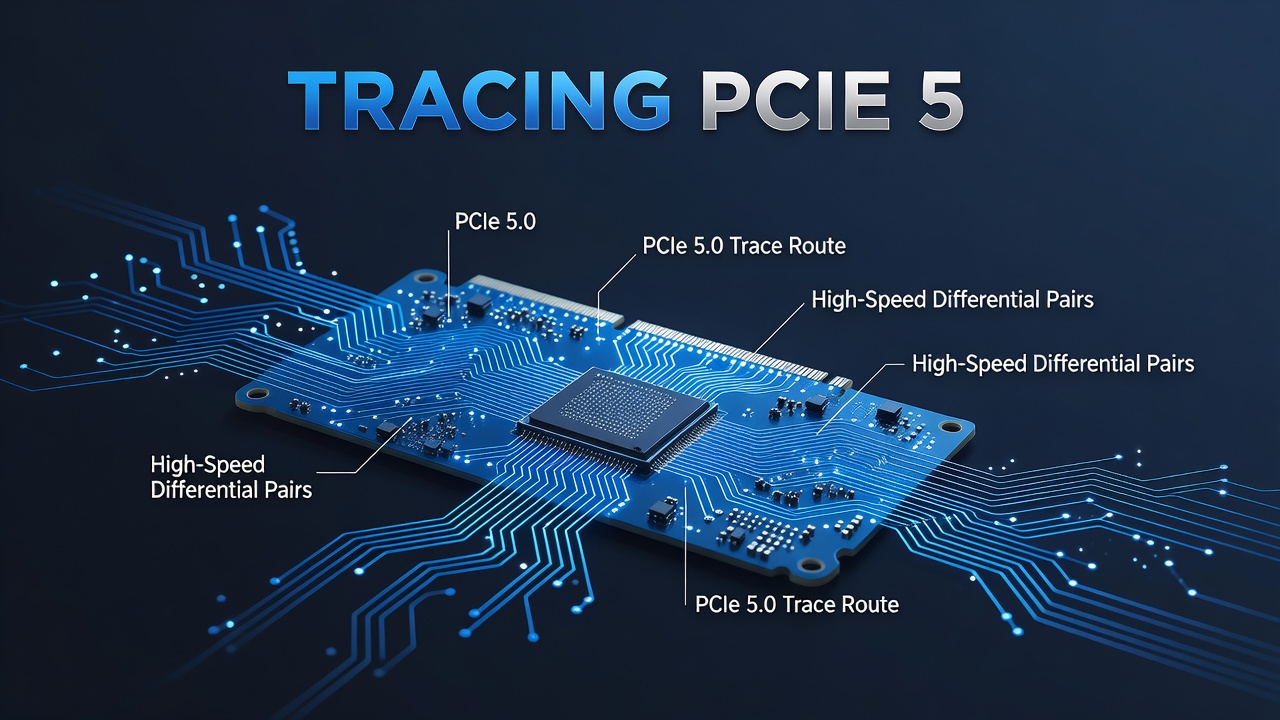
Decoding High-Speed Data Paths: Advanced Methods for Tracing PCIe 5.0 Interfaces
PCIe 5.0 operates at transfer rates reaching 32 GT/s per lane, which doubles the bandwidth of the previous generation and demands precise tracing techniques to monitor signal integrity across multiple lanes. Engineers rely on specialized tools to capture and analyze these high-frequency signals because even minor distortions can disrupt data flow in servers, workstations, and gaming systems alike. Research from the PCI-SIG organization outlines the electrical specifications that guide these tracing efforts, and teams apply them during hardware validation cycles.
Core Principles Behind PCIe 5.0 Signal Tracing
Tracing begins with connecting protocol analyzers and high-bandwidth oscilloscopes directly to the PCIe slots or backplanes, allowing capture of both differential pairs and reference clocks simultaneously. Data packets travel through these lanes in a serialized format, so tools must decode 128b/130b encoding while tracking error rates in real time. Studies conducted at various research institutions show that impedance mismatches often appear first in the transmitter equalization settings, which engineers adjust based on trace data collected over extended test periods. Observers note that multi-lane configurations require synchronized captures across all active channels to identify crosstalk issues that single-lane tests might miss.
Tools and Equipment Used in Modern Tracing Workflows
Hardware vendors supply integrated solutions that combine bit error rate testers with software dashboards for visualizing eye diagrams and jitter measurements. These systems log events such as link training sequences and power state transitions, which become critical when systems operate under varying thermal loads. One documented case involved a data center operator who used a combination of Teledyne LeCroy analyzers and custom scripting to isolate a firmware-induced lane reversal problem during PCIe 5.0 link-up procedures. Figures from industry reports indicate that automated pattern generators now support compliance testing at full speed, reducing manual intervention and accelerating root-cause identification in complex motherboards.
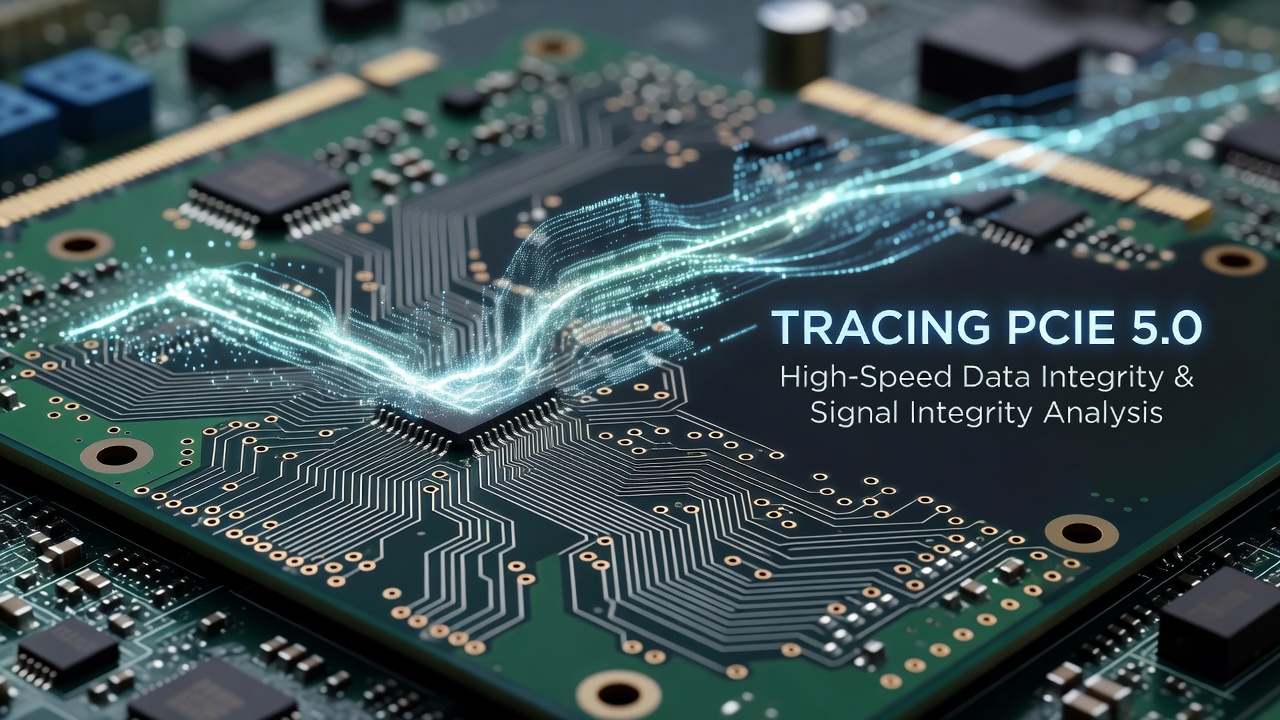
Software layers add another dimension by correlating hardware traces with operating system logs and application performance counters. This integration reveals how driver-level decisions affect lane width negotiation and payload delivery rates across different GPU and NVMe configurations. Researchers at institutions in Europe and North America have published papers detailing algorithms that predict signal degradation before it impacts throughput, and these models draw directly from large datasets gathered during prolonged tracing sessions.
Applications Across Computing Environments
In gaming PCs, tracing helps verify that high-bandwidth SSDs maintain consistent read speeds when paired with PCIe 5.0 capable chipsets, especially during simultaneous data streaming and asset loading. Servers benefit similarly when hosting virtualized workloads that push aggregate bandwidth limits across multiple cards. By August 2026, updated compliance suites are expected to incorporate AI-assisted anomaly detection that flags intermittent errors faster than traditional manual review processes. Regulatory bodies in regions such as Australia and Canada have referenced similar tracing standards when evaluating equipment for data center deployments, ensuring interoperability across global supply chains.
Case examples include a European research consortium that traced PCIe 5.0 behavior in AI training clusters and discovered that specific retimer placements reduced latency variance by measurable margins. Their findings, shared through academic channels, now inform commercial motherboard designs. Another instance involved North American hardware testers who mapped power delivery fluctuations during extended stress tests, linking them to specific trace anomalies captured at the physical layer.
Challenges and Emerging Solutions
Signal attenuation increases at PCIe 5.0 frequencies, requiring careful probe placement and de-embedding techniques to obtain accurate readings. Temperature variations and board layout differences further complicate comparisons between lab results and field deployments. Teams address these variables through standardized test fixtures and repeated measurements that build statistical confidence in the collected data. Industry organizations continue to refine reference channels and compliance patterns, which helps standardize tracing procedures worldwide.
Conclusion
Tracing PCIe 5.0 interfaces provides the factual foundation for reliable high-speed connectivity in current and upcoming hardware platforms. Data from protocol analyzers and compliance tests guides refinements in equalization, clock recovery, and lane management. As adoption grows, continued collaboration between standards bodies, research groups, and manufacturers ensures that tracing methodologies keep pace with bandwidth demands while maintaining measurable performance benchmarks across diverse applications.