How Community-Driven Benchmark Databases Guide Hardware Choices Among Amateur Builders
Written by Felix Bauer · May 28, 2026
How Community-Driven Benchmark Databases Guide Hardware Choices Among Amateur Builders
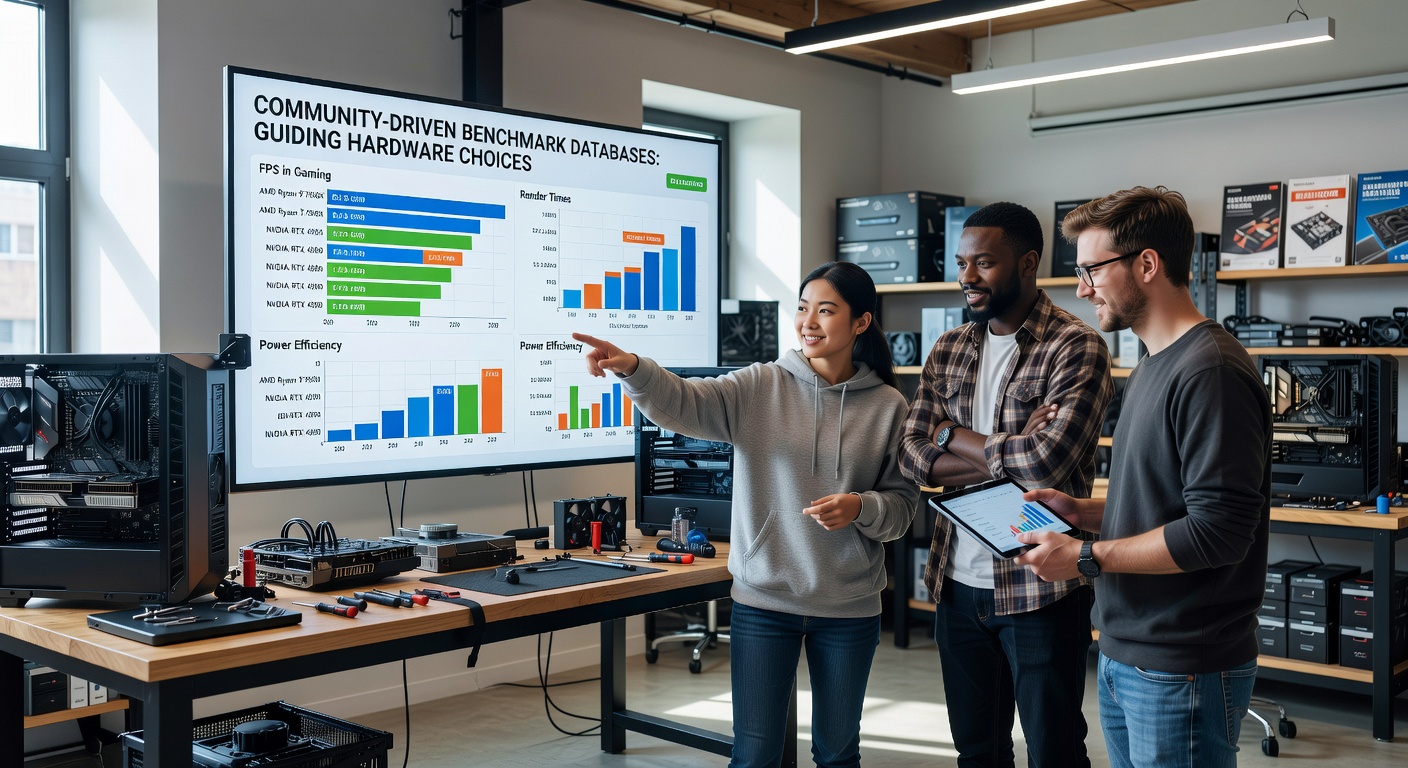
Community-driven benchmark databases have become central resources for amateur builders who select components based on aggregated performance data rather than manufacturer claims alone, and these platforms collect user-submitted test results across thousands of hardware configurations while allowing direct comparisons of CPUs, GPUs, and memory kits in real-world scenarios. Observers note that such databases often update daily with new entries, which means builders in May 2026 can access recent figures from systems running the latest game titles and productivity suites without needing to perform every test themselves.
Structure and Operation of Shared Databases
Users contribute results through standardized testing protocols that include specific game benchmarks, rendering workloads, and power consumption measurements, while the platforms normalize data across different cooling setups and driver versions to reduce variables that might skew comparisons. Researchers at institutions like the Canadian Institute for Computing Standards have documented how these normalization methods improve reliability, and the resulting datasets allow builders to filter results by budget ranges, case sizes, and regional power costs. Builders often cross-reference multiple entries for the same component because single-test outliers appear less frequently when thousands of submissions exist, which creates a feedback loop where popular parts receive even more validation over time.
Decision Patterns Among Amateur Groups
Amateur builders frequently consult these databases when planning upgrades because they reveal performance differences that emerge only after extended use, such as sustained frame rates under thermal throttling or memory stability at higher capacities. Data indicates that builders who review aggregated results tend to prioritize parts with strong multi-threaded scores for content creation tasks, whereas those focused on competitive esports titles filter instead for low-latency configurations that appear repeatedly in tournament hardware lists. What's interesting is the way regional trends surface in the datasets, with builders in warmer climates favoring components that maintain clock speeds without excessive power draw, while users in cooler areas experiment more freely with overclocking profiles that the same databases track through user-submitted logs.
Integration With Other Information Sources
Many builders combine database queries with manufacturer specification sheets and independent lab reports to build complete pictures of system behavior, yet the community submissions add practical context that controlled tests sometimes miss. Figures from the Australian Hardware Performance Registry reveal that builders who reference both official numbers and crowdsourced results achieve more consistent outcomes when assembling first-time systems, since the shared data highlights compatibility quirks that appear across varied motherboard and power supply combinations. And because these platforms allow sorting by price-to-performance ratios derived from actual purchase receipts, builders can adjust selections when component costs fluctuate week to week without restarting their entire research process.
Impact on Component Selection Trends
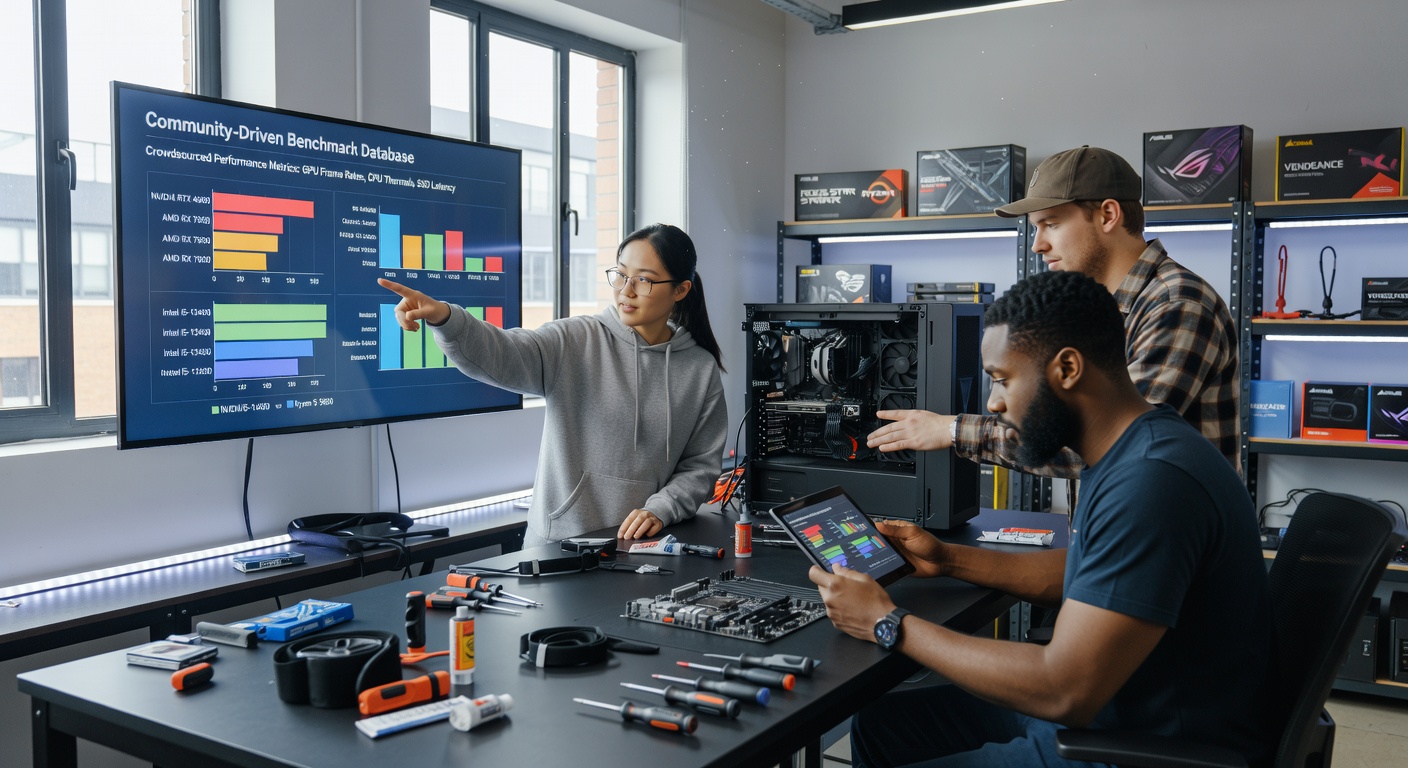
Database visibility influences which parts gain traction in amateur circles, since high submission volumes for certain models create self-reinforcing popularity that newer releases must overcome through strong early results. Those who've studied these patterns observe that memory kits with verified stability across multiple board revisions often appear in more completed builds, while GPUs that show inconsistent driver-related score drops receive fewer recommendations until patches arrive. The reality is that builders use the databases not only for initial purchases but also for troubleshooting, comparing their own results against the community mean to identify whether a perceived issue stems from configuration choices or hardware defects.
Future Developments and Accessibility
Platform maintainers continue to add features such as automated result validation and mobile-friendly submission tools, which expand participation beyond dedicated enthusiasts and increase dataset diversity. European Technology Standards reports note that broader access correlates with more entries from first-time builders, which in turn improves representation of budget-oriented configurations that previously appeared less often. Builders who track these expansions find that newer filtering options based on power supply efficiency ratings or case airflow measurements help refine choices even further when space or electricity constraints matter.
Conclusion
Community-driven benchmark databases function as living references that aggregate real usage data and guide amateur builders toward components with proven track records across varied conditions, and their continued growth ensures that selection processes remain grounded in collective experience rather than isolated claims. Builders who engage with these resources gain access to evolving datasets that reflect both hardware capabilities and practical limitations, which supports more informed decisions as new parts and software updates emerge throughout 2026 and beyond.